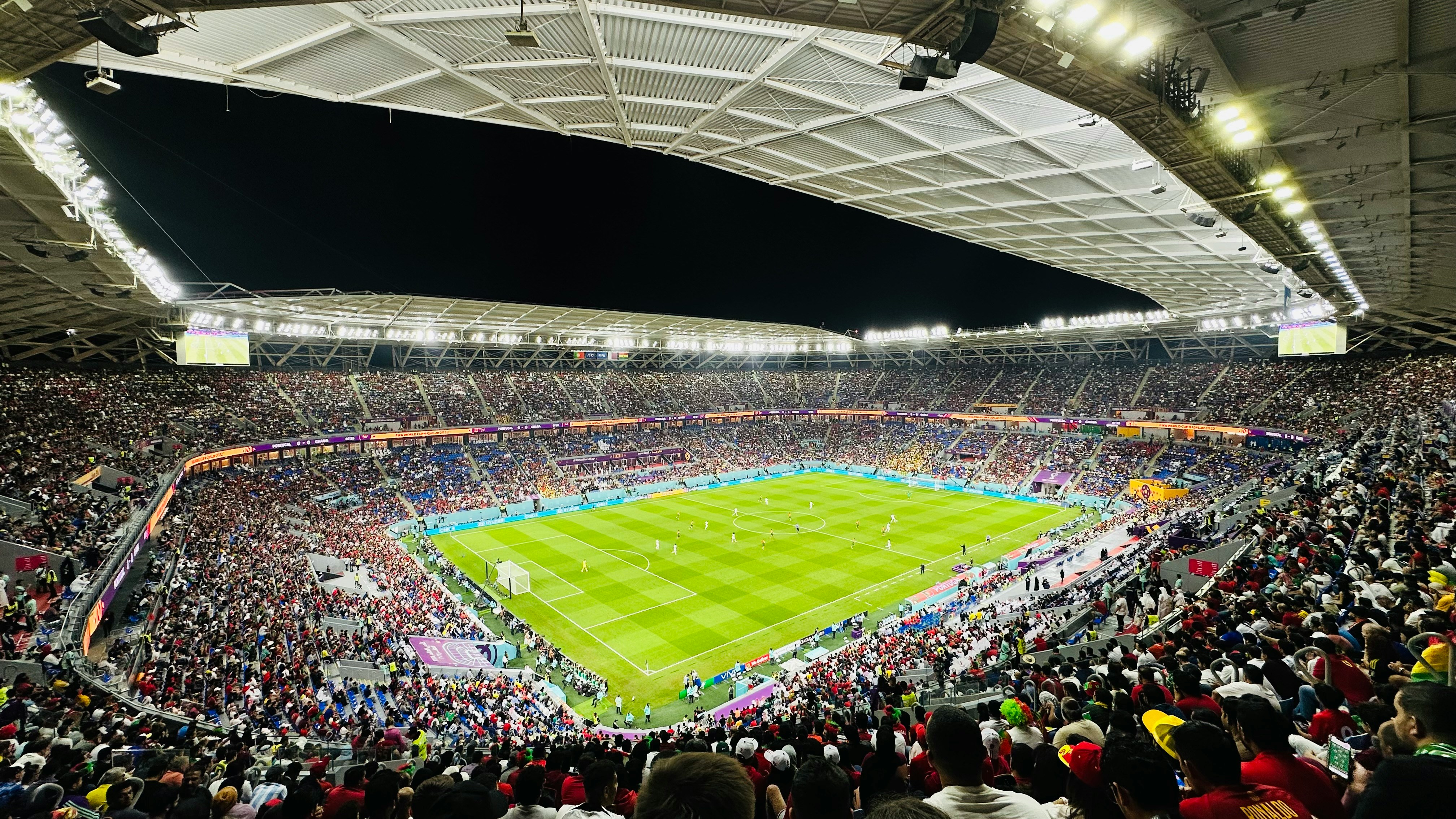
Who we are
Fortos is a growing collective of leaders dedicated to becoming stronger together, across all leagues.
We are also supported by our Advisors, some of the best operators in professional sports.

A note on why we’re here.
Fortos was built on a simple belief: we are stronger together.
Sports are one of the most powerful ways people experience that truth.
Behind every great moment is demanding, often invisible work driven by rare operating leaders. Athletes deserve world-class support, and rightly receive it. But the leaders who operate teams and leagues are often left to do their most important work in isolation.
What’s repeatedly missing is the opportunity to be in the same room with leaders who are doing the same work.
Fortos exists to give senior leaders running professional teams and leagues a place to connect, learn, and raise the bar together.
Our mission is to bring together the people who are creating the best experiences in the world.
Matthew Mahoney
Founder & CEO, Fortos
Our advisors
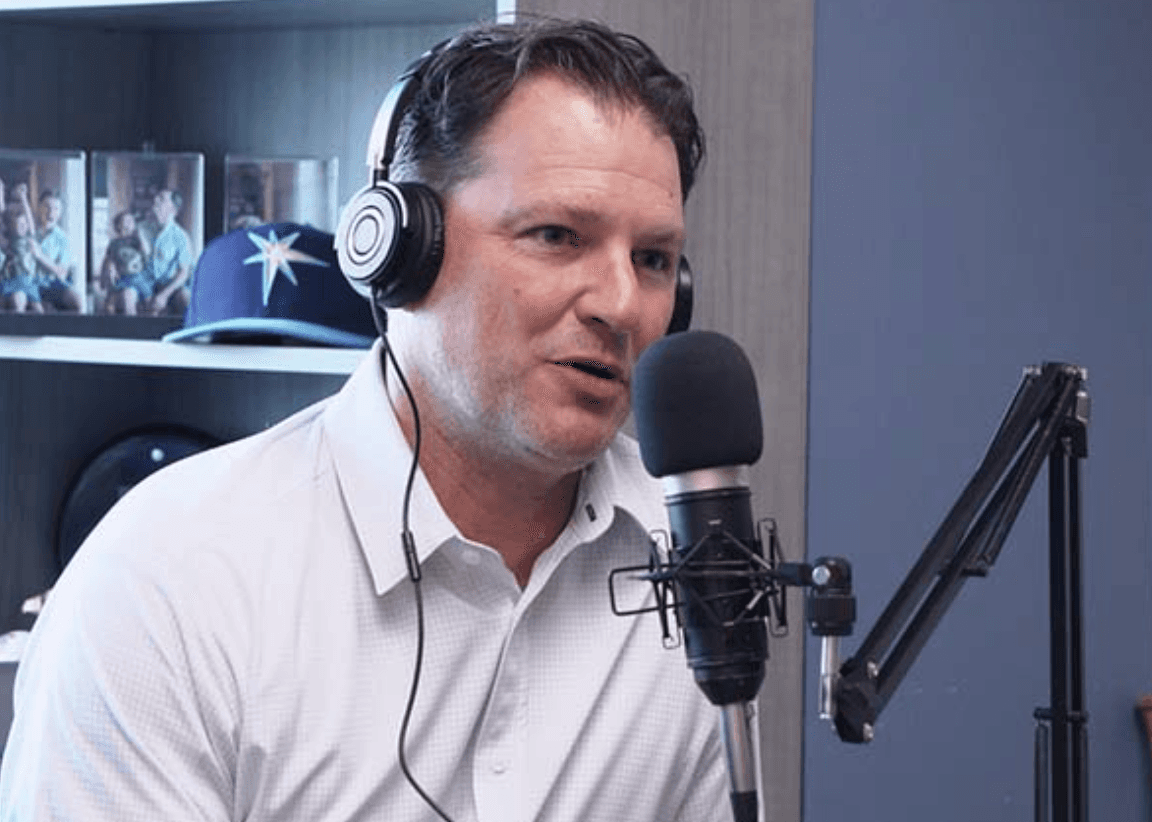
Brian Auld
Brian Auld is a senior sports executive who served as Co-President of the Tampa Bay Rays for much of the past two decades, helping shape the organization into one of the most respected in professional baseball.
Beyond the AL championships, for me his greatest legacy is the organization he built behind the scenes. Tampa Bay became a destination for leaders who wanted to see what great looks like.
Brian joined the Rays in 2005 and spent the next twenty years building and leading the organization’s business and people functions, including marketing, ticketing, fan experience, community engagement, and human resources. During that period, the Rays evolved from a below .500 club into perennial division leaders, capturing two American League pennants along the way.
Among insiders, Brian is best known for something less visible: developing leaders. Through his approach to identifying and growing talent, Tampa Bay became a proving ground for rising leaders in baseball. His focus on execution, culture and how the organization works day to day for the employees and the community created a legacy that extends far beyond any single season’s performance.
In 2018, Brian and the Rays’ ownership group acquired the USL’s Tampa Bay Rowdies, extending this philosophy beyond baseball and into the broader Tampa Bay sports ecosystem.
Born in Berkeley, California, he earned degrees in economics and education from Stanford University, where he captained the lacrosse team, and later received his MBA from Harvard Business School. Before joining the Rays, he worked as a teacher and development director at a charter school in East Palo Alto.
What’s a sports moment you’ll never forget?
Easy — Game 162 in 2011. The Rays had to beat the Yankees, along with a Red Sox loss, to make the postseason. We were down 7–0 heading into the 8th inning, all but mathematically eliminated, when somehow we put up six runs in the 8th and then tied it after being down to our final strike in the 9th, when Dan Johnson hit one of the most improbable home runs in MLB history. Evan Longoria then walked it off in the bottom of the 12th. The feeling that night, alongside my best friends, will never be forgotten.
What’s a professional experience that most shaped how you lead in sports?
As a fourth-grade teacher, you learn very quickly that if a nine-year-old isn’t learning the material, it’s your responsibility — not the child’s. You have to find a better way to communicate, meet the student where they are, and remain curious and judgment free.
As leaders working with other adults in professional environments, we often lose sight of this. We blame those around us for not getting it — for not understanding the mission or the goals — instead of recognizing that it’s our job, our charge, to do whatever it takes to make sure we are understood.
What problem does Fortos solve that you’ve seen persist across teams or leagues?
Sports build community, no doubt — but they can also be isolating. Fortos connects leaders who are often on the front lines of very public, highly scrutinized situations, both on and off the field. Understanding that what’s happening in your world is common, part of the regular process, and not something to lose sleep over, can be a real superpower. The connections formed through Fortos can give leaders the conviction and confidence they need to keep pushing forward.
What kind of executive tends to get the most out of a peer-based environment like Fortos?
All leaders, especially those in sports, are by definition, statistically very fortunate. Those who appreciate the opportunity they have in front of them, who recognize that it is a privilege and responsibility stand to benefit the most.
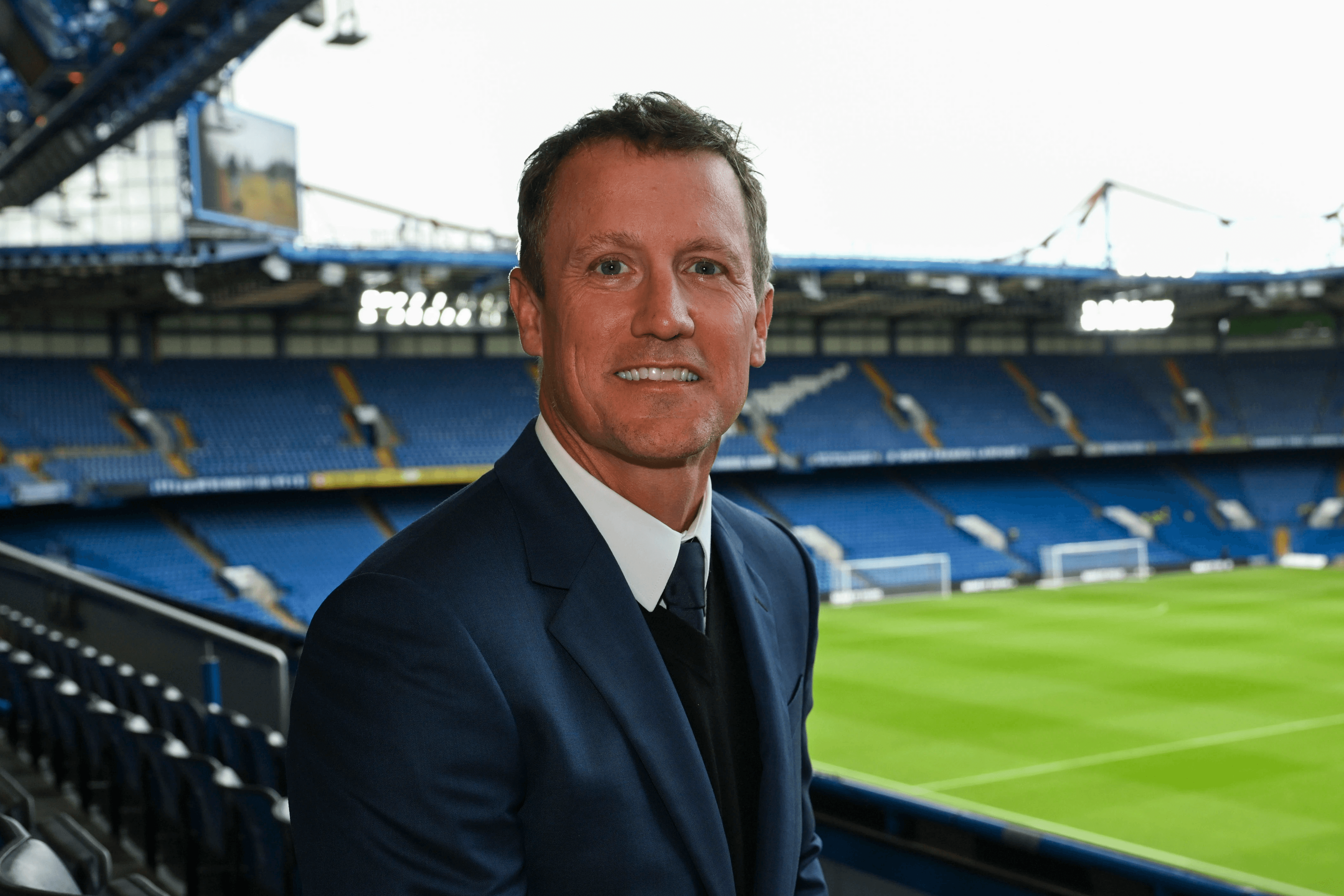
Phil Lynch
Phil Lynch is Chief Digital Officer and Chief Marketing Officer at Chelsea Football Club, where he leads the club’s global marketing, media, and digital transformation efforts.
In his role, he oversees marketing and content, digital products, and global strategy. As direct-to-consumer relationships become an even larger part of how clubs grow worldwide fandom, Phil sits right at the center of how one of the sport’s most iconic clubs connects with supporters and drives revenue growth.
Phil has built a career at the intersection of sports, media, and technology, with senior leadership roles across some of the most influential organizations in each. Prior to Chelsea, he spent seven years at Manchester United, serving as CEO of Digital Products & Experiences and CEO of Media, where he led the club’s digital ecosystem, including its global app, social platforms, and MUTV.
Earlier, he held leadership roles at Yahoo as Vice President of Global Partnerships and Head of Media Partnerships, and at Sony Pictures Entertainment as Senior Vice President of Digital Networks and Games.
Beyond his responsibilities at Chelsea, Phil contributes to the broader evolution of football and media through his work with the European Club Association’s Fan Working Group and the UEFA Media Committee.
He graduated from Brown University, where he played soccer and earned a double major in Organizational Behavior Management and Sociology.
How do teams or leagues benefit when their leaders are learning from trusted peers outside their immediate day to day?
High-performance cultures and environments exist across many industries and organisations. They may show up in different forms, but the underlying principles often travel well. To understand excellence more deeply, we need to be exposed to more of it — which means looking beyond our immediate peer set and beyond where we’ve traditionally been looking.
When as leaders we stay too consumed by our market, sport or direct competitors, we often only end up making incremental improvements. The perspective becomes too narrow. By opening up your network and taking on feedback outside your immediate sphere, you're far more likely to uncover breakthroughs or genuinely new ways of thinking.
What’s a lesson sports taught you that you still draw on professionally?
There are many. To name a few:
Being on a team teaches you how to play your part in pursuit of a larger goal, and how to compliment others’ skill sets and expertise. In both sport and business, things rarely go exactly as planned, so you learn to stay agile and adjust strategy along the way.
There’s no escaping constructive criticism and feedback, but the best become open to it, they look for it. They realise it’s not personal. It’s the most direct way to getting better.
And, of course, there’s the discipline: practising, preparing, and putting in the work even when no one is watching.
Sport gives us practice at understanding when to lead, when to support, and how to contribute to something bigger than yourself.
What’s emerging that more people should be paying attention to?
Global expansion. Sports that historically lived within specific geographies or cultures are now expanding worldwide, driven by digital engagement, social media, and the global distribution of content.
We’ve recently seen the massive growth of soccer in the U.S., while the NFL is making tremendous strides in Europe and beyond. At the same time, sports like rugby and cricket are beginning to gain traction with American audiences.
It will be fascinating to see how it all unfolds.
Alumna
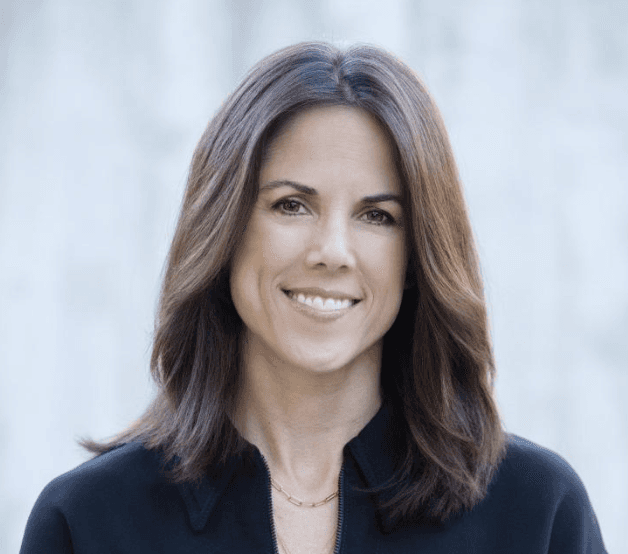
Rachel Epstein
We are very grateful to Rachel Epstein who, prior to becoming Chief Marketing Officer of the NWSL in April 2026, advised and helped shape Fortos.
She’s a true thought leader, with 20+ years changing hearts, minds, and behaviors in sports and media. When I think about the importance of growing audiences, it’s hard for me to imagine anyone who better understands how to authentically engage female fans to drive business impact in sports.
Previously Rachel was Vice President, Sports Marketing at ESPN. In her role, she oversaw marketing for a variety of ESPN properties, including WNBA, NWSL, Grand Slam tennis, NCAA Championships, AUSL, MLB, Little League World Series/Little League Softball World Series, F1, WPL, LOVB, international soccer, lacrosse, cricket, and the espnW brands & experiences.
Specific to espnW, she was the Executive Producer of the annual espnW: Women + Sport Summit, the leading event of its kind.
Rachel started at ESPN July 2012. Prior to her role with ESPN and espnW, she was part of the leadership team that launched Women’s Professional Soccer (WPS), overseeing marketing, events, and sponsorship for the league.
She graduated from Indiana University in 1995. As a member of IU's tennis team, she garnered All-America honors, was a three-time All-Big Ten player, four-time Big Ten Champion, and team captain.
What’s a sports moment you’ll never forget?
I’ll never forget standing on the pitch at the first NWSL Championship in Kansas City, in a brand new stadium purpose built for that team, for women.
Who’s your ride or die team?
Go Bills
How do teams or leagues benefit when their leaders are learning from trusted peers outside their immediate day to day?
Just the benefit of learning from peers and leaders outside of your own environment, outside of ingrained corporate and cultural ways of working and operating, is immeasurably valuable. When you layer on top of that the insights and access to best practices within and adjacent to your own sport category, that value increases even more.